
RECENT NEWS
Subscribe and receive the latest news

The evolution of gambling A historical journey through time
Origins of Gambling
The history of gambling dates back thousands of years, with the earliest evidence found in ancient Chinese artifacts, where games of chance were played using rudimentary tools. Archaeological findings suggest that gambling activities were a significant part of their culture, often associated with rituals and social gatherings. The fascination with chance and luck reflected human nature’s innate desire for excitement and reward. In this context, some players search for the best casino not on gamstop options to enhance their experiences.

Similarly, ancient civilizations like the Egyptians and Romans incorporated various betting practices into their societies. They created structured games, establishing the groundwork for what we recognize today as gambling. These activities were not merely for entertainment; they played a role in social hierarchies, with elite classes engaging in high-stakes wagers to demonstrate wealth and power.
Medieval and Renaissance Developments
The Middle Ages witnessed a transformation in gambling practices, with the introduction of card games, which became popular across Europe. The invention of playing cards in the 14th century marked a pivotal moment, allowing for a new dimension of gameplay that was more portable and versatile than dice-based games. This period also saw the rise of betting on various sports and events, laying the foundation for organized gambling.
As the Renaissance blossomed, so did the sophistication of gambling establishments. The emergence of gaming houses and the establishment of rules and regulations signified a move towards more organized forms of gambling. The development of games like baccarat and roulette showcased innovations in game mechanics, providing players with more diverse options to engage in games of chance.
The 19th Century and Legalization
The 19th century was a significant era for gambling, marked by the legalization of various forms of betting across Europe and America. The establishment of horse racing tracks in the United States popularized betting, as spectators were drawn to the thrill of wagering on their favorite horses. This period also witnessed the birth of lotteries, which served as a means for governments to raise funds while providing citizens with a chance to win substantial prizes.
With the increasing popularity of gambling, many countries began regulating the industry to ensure fairness and protect consumers. This led to the establishment of legal casinos in places like Monaco and Las Vegas, where gambling became a prominent part of entertainment culture. The allure of large jackpots and lavish surroundings drew in crowds, cementing gambling as a significant economic force.
Technological Innovations and Online Gambling
The late 20th century heralded a new era of gambling through technological advancements. The rise of the internet revolutionized the industry, offering online casinos and betting platforms that allowed players to engage from the comfort of their homes. This shift not only made gambling more accessible but also introduced innovative game formats, such as live dealer experiences, which mimicked the atmosphere of traditional casinos.
Mobile technology further transformed gambling, enabling players to bet on the go. With the proliferation of smartphones, apps became popular, allowing for real-time betting on various events, from sports to casino games. This evolution has made gambling a ubiquitous aspect of modern entertainment, catering to a diverse audience worldwide.
Conclusion and Reflection on Gambling’s Evolution
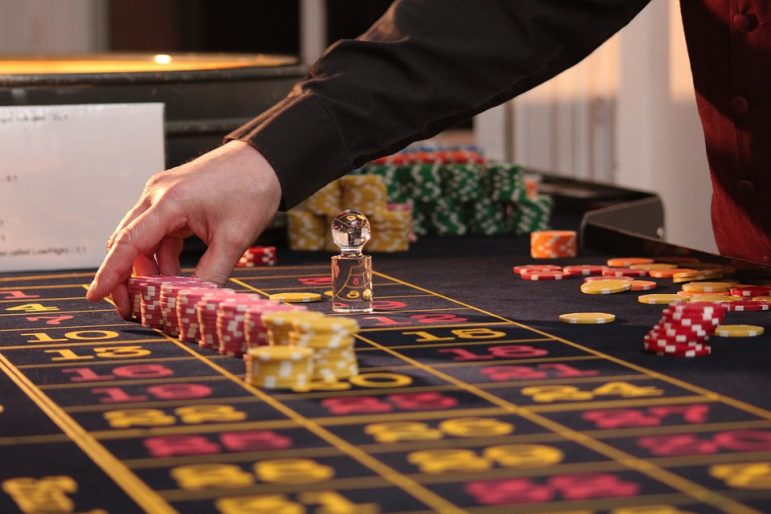
The evolution of gambling represents a fascinating journey through human history, reflecting cultural shifts and technological advancements. From ancient rituals to online platforms, gambling has continually adapted to meet the desires of society. As we move forward, the industry will likely continue to evolve, embracing new technologies and regulatory frameworks to enhance the gaming experience for all.
For those interested in understanding more about the role of gambling in modern society, it is crucial to consider both its historical context and its future potential. Engaging with insightful resources can provide valuable perspectives, whether you’re a casual observer or an enthusiastic participant in this age-old pastime.
No comments yet
Leave a comment